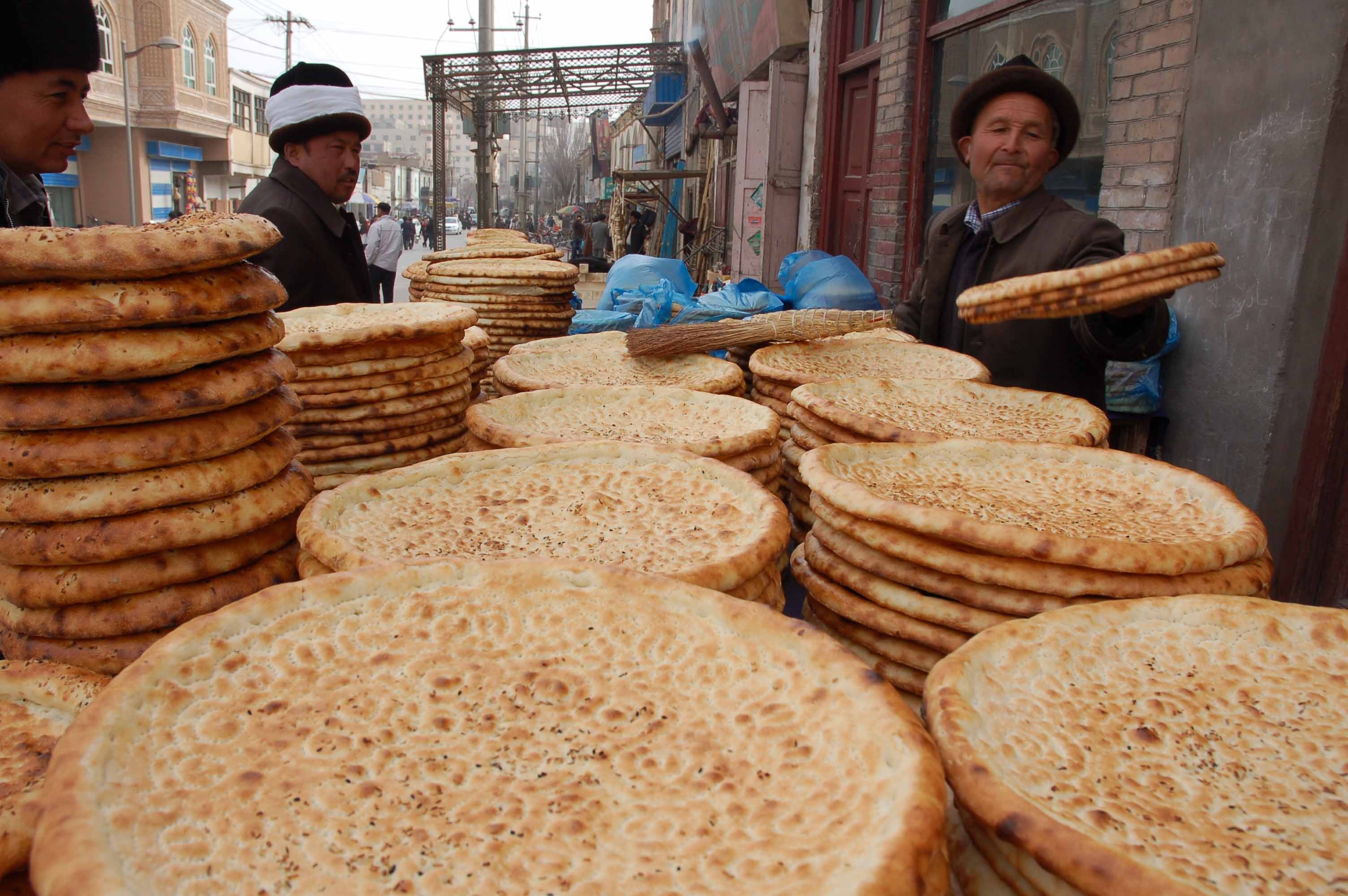
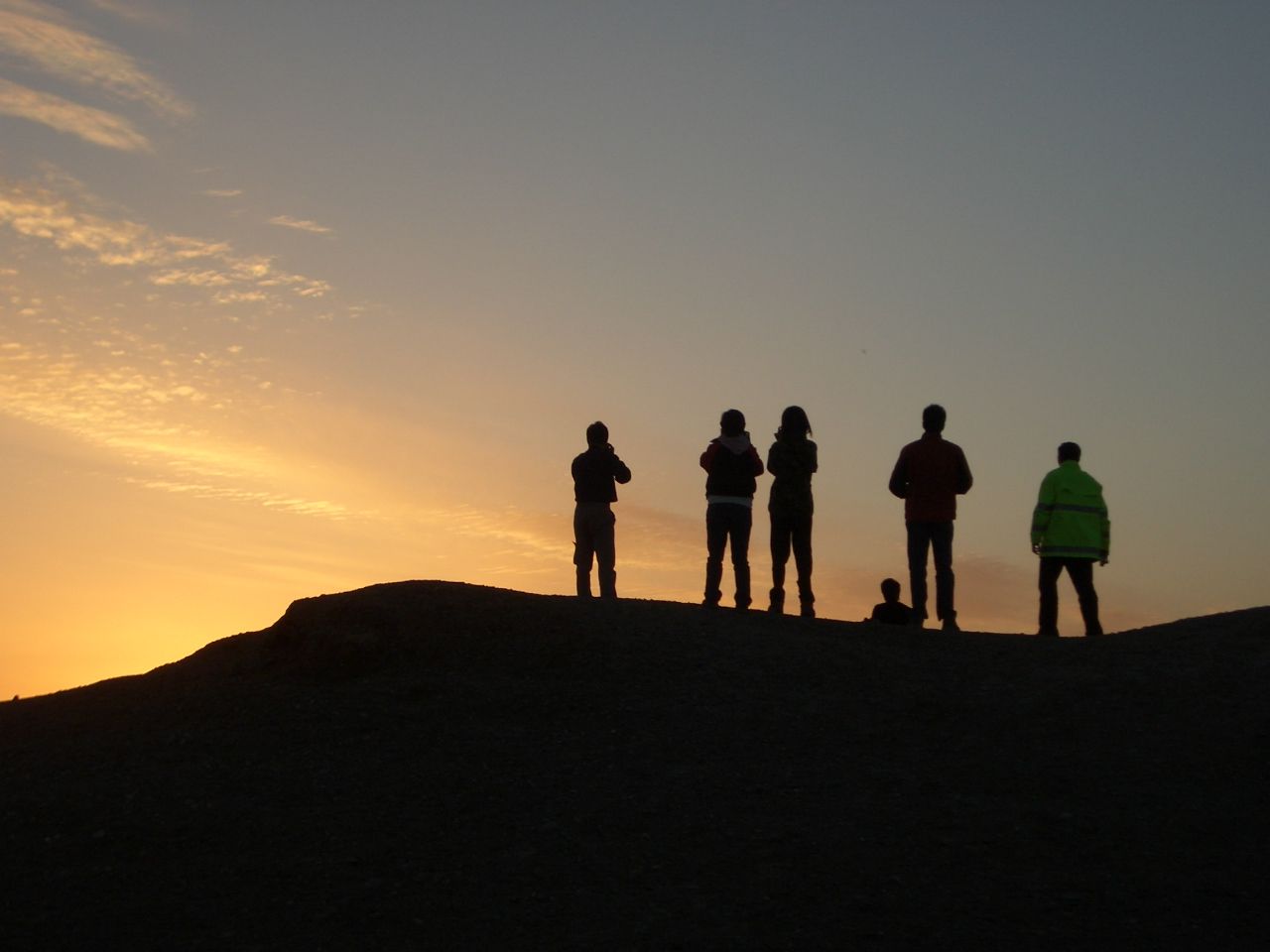
We had a most fantastic, enjoyable tiring trip.... the organisation was great... the hotels, guides, food was spot on...the guides keep each other in touch of our likes n "dislikes"... they are really wonderful ... the drivers too. in Xining , Peter met us on arrival but thereon we had Dorgi as the guide.. ...as you did not have the name of the kashgar guide... his name is Abdul...all the guides we have, have a great sense of humour .. the hotels were up to mark... our favourites were the Silk Road Dunhuang Hotel and the Radisson Blu in Kashgar....as we are rather adventurous in trying food, the guides were great in introducing the local cuisine ....
By the way, we went to the Geopark and the Dunhuang Celebration Show and we certainly glad we did as these two places should not be missed.
We will not hesitate in recommending you company.
Cheers,
Ms. Ong
13 Days Silk Road Tour (25 May – 06 June 2018)
We have returned home to Munich from our Silk Road adventure. It was a great trip. We are glad that we had the opportunity to experience the West of China (Tibet, Gansu, Xinjiang) after having lived in the north-east for almost two years.....
We are very pleased with the services of your company. Our guides Amanda Zhu and Mardan Mohemmed were pleasant, curteous, professional and fun to be with. The hotels, transportation and food, were fine and worked out as planned.
The only point I would re-consider is the choice of train. Since it was only a K-train, it did not get much priority in the clean-up of the delay due to the track flooding in Hami...... So this effectively cost us one entire day.
However,-- having had a private compartment was a great relief in this situation and moreover Amanda was very very helpful via telephone.
Since I work at BMW with continued contact to our chinese Joined Venture in Shenyang I am certainly willing to endorse you and your company among the colleagues (local and expat).
We wish you further success in your busines.
Thomas
10 Days Silk Road (17 - 26 May 2015)
It was a memorable trip and I really want to thank for all the flexible, thoughtful and fantastic arrangements. All the people I met there were nice and helpful. The cooking course was eye-opening and I really learnt a lot. The visit to Cuisine Cuisine was also amazing. It was my first time to enter a real, professional kitchen. The cultural part of this trip was brilliant. The tour guide knew every story-behind as if he was a master in Chinese history! Though it's just a 4-day trip, I really gained a lot and broadened my horizon.
Karina
4-day Beijing Tour, Cook & Savour (29 Dec 2012 - 1 Jan 2013)
We had a fabulous experience in Dunhuang. We learned that less than 3% of the visitors are American yet more should go to experience the richness of the area. Truthfully, it was The Silk Road Dunhuang Hotel website and link to your tours that piqued our interests to visit. As seasoned, independent travelers who have never utilized a tour company, we were immensely gratefully that we chose you to coordinate our trip to Dunhuang. The customized 4-day tour with a private driver and English speaking guide allowed us to enjoy the incredible historical sites, vast Gobi desert ventures, fun camel ride and authentic Chinese culture, cuisine and life, which we would never have experienced on our own. Our guide, Ms Fan, was knowledgeable, compassionate, friendly, and flexible to adapt each day to best suit our interests and desired activities. She was absolutely fantastic, and we give her five stars for her extraordinary skills as a guide. Mr Lee, our driver, was always reliable and a safe driver. Thank you for employing the best people to serve your clients. Also a note of acknowledgement for the wonderful stay at The Silk Road Dunhuang Hotel. Our suite was beautifully decorated, the beds were very warm and comfortable, and the staff were always gracious and helpful. Eric Huang, Assistant Manager, was definitely a key resource person and we appreciated his help. We dined at the Chinese Restaurant because Western foods we could eat at home. All the meals were attractively presented and tasted outstanding. Hot Pot was a favorite dining experience. We traveled to China solely to visit Dunhuang, to stay 6 days at your hotel, and to take the 4-day personalized tour. Standing on the roof top cafe to enjoy the sand dunes and walking around the large hotel grounds are memorable experiences. We were never disappointed, and would highly recommend the hotel and your tour services to others traveling to Dunhuang. We will definitely share our experiences with family and friends, and hope more travelers will make the journey to Dunhuang.
Again, many thanks to all the fine staff who made our trip memorable.
Eirin and Gregory Hilton
4 Days Dunhuang (21 – 24 October 2012)
Thanks for following up. It is much appreciated!
I had such a great time everywhere else so this is a small thing. The trip was really very well-organised and enjoyable. I had a very good time and also felt very reassured that you called me every few days.
Ms. Ella Wong
17 Days Silk Road tour (2 - 18 Sep 2012)
Thanks, we all had a great time. Surely I will introduce friends to you as you are very responsible and kind person which I cannot not use (whom I cannot reject to use).
Ms. Violet Tan
14 Days Silk Road tour (29 Aug - 11 Sep 2012)
The guides were all flexible, informative, helpful, had excellent English, and all of them obviously had both a pride in doing their job well, and made us feel they had our interests at heart when it came to dealing with matters that came up along the way. The food was consistently good, but I was particularly impressed to be given very good quality fresh coffee and fresh croissants in the hotel in Dunhuang [Silk Road Dunhuang Hotel], which I had not expected.
Russ Harding
8 Days Silk Road
14 – 21 Nov 2011
Words fail me adequately to express our thanks and appreciation for the superb arrangements you and The Silk Road Travel Management Company provided for us during the time period of 16-30 October 2010 in Beijing and Shanxi Province.
Thank you many times over.
The trip arrangements were perfect. We will fill out your "customer satisfaction" form shortly, but I want very much to let you know a couple of things about the trip in advance of that. (after we get over jet lag)
First, I have to tell you that my wife is sometimes semi-disabled by having a severe case of lymphedema after successful cancer surgery. This means that one of her legs is enlarged by about 40 extra pounds of water weight. She has to be judicious in the amount of walking she can do at certain times. Otherwise she is in great willingness to travel.
Thanks to the wonderful arrangements you made for us, she was able to do EVERYTHING! In fact, if her re-recovery from the trip goes as well as we think it might, we will want to be talking to you about a journey to Dunhuang. But, more about that later.
I rate the trip 99.999% perfect…
RE: Lu Song Yuan Bingguan: We love this hotel. The staff is very very nice. The rooms and beds were comfortable, the courtyards were handsome, the other clients were congenial, and all in all it is --in my opinion-- the best place to stay in Beijing if one wants to have a most comfortable and more authentic Chinese experience. Thank you so much for having this wonderful property available to serve the traveling public…
Finally, for now, I will conclude with kudos for "Catherine" our Shanxi Province guide. She was a delight and thoroughly understanding and helpful. We had a wonderful time with her on the trip, and she must not have minded us too much because on the last day in Shanxi she took us to her family home where her lovely mother had prepared a delicious lunch for us. What an extra ordinary event that was, and we very much appreciate it. Mr. Wang the driver also was an excellent practitioner of the art of survival on Chinese roads.
AGAIN, THANK YOU for your excellent arrangements. I cannot sing the praises of the Silk Road Company too much. I am looking forward to writing to you again. And I will mail the Customer Satisfaction survey form to you in a day or so. But for now, I want you to know how happy the three of us are to have been in your most capable hands.
Warren B. Wotton
Beijing & Shanxi (staying at LuSongYuan) (17 - 30 Oct 2010)
Drivers were all are very good. We all loved the Silk Road Dunhuang Hotel. Janny’s planning and organization were excellent. Tour guides’ attitude were very good.
Ms. W. Wan
14 Days Silk Road tour (16-29 Sep 2010)
Tour guide in Wuhan is Mr Cheung who was exceptionally good. He was well-informed, witty, friendly and hard working. The Wuhan driver was careful and polite. They are a good team.
Linda's hard work pays off. We had a wonderful holiday. Thank you, Linda. We also appreciate Linda calls to China to make sure that everything was O.K.
Mrs M Wong & family
7 Days Wuhan - Yangtze Cruise - Chongqing Tour (12 - 18 Jul 2010)
Good choices were made on tour guides, drivers and hotels. Excellent follow up by Ms Linda Yau
Mrs Jan Chan & family
7 Days Huangshan & Shanghai Tour (17 - 24 Apr 2010)
After a fantastic couple of weeks in China we leave for Hong Kong tomorrow. We have had a great time and the memories will stay with us for a lifetime.
Could you please forward our sincere thanks to our local guides, ZHAO in Beijing, SUSAN in Xian and SISSI in Shanghai who have made our trip so memorable? They have all been extremely kind and helpful making sure we experienced the local culture and history in each location.
Thank you also for organising the trip and ensuring we had such a great time.
With sincere thanks.
Kevin & Sallie Redmond
2010
After a fantastic couple of weeks in China we leave for Hong Kong tomorrow. We have had a great time and the memories will stay with us for a lifetime.
Could you please forward our sincere thanks to our local guides, ZHAO in Beijing, SUSAN in Xian and SISSI in Shanghai who have made our trip so memorable? They have all been extremely kind and helpful making sure we experienced the local culture and history in each location.
Thank you also for organising the trip and ensuring we had such a great time.
With sincere thanks.
Kevin & Sallie Redmond
2010
The Titan Times Hotel in Xian is very recommendable. The guide Mary Qu was excellent, her English is outstanding and she is very friendly. The pre-tour briefing was very good.
Ms. T. Lesaffre
24-28 Sep 09
Mr. E. Lam: 高原醫生和各導遊值得嘉許
郭小姐: 安排非常週到
M. Kwok: Thank Silk Road Travel once again to run such a wonderful trip. Will recommend it to anyone who plans on a trip to China
王先生: 西寧之導遊非常值得嘉許,親切熱情,對青藏之風情非常精煉
Federation of Hong Kong Industries
7 Days Qinghai and Tibet tour (Sep 2008)
First class guides and driver, very good English language. Explanations were clear. Driver in Gansu Province was terrific, friendly, pleasant and safe. Hotels were excellent throughout , clean and comfortable, good service. Did a great job catering to vegetarian dietary needs. An excellent itinerary which exceeded our expectations. Seamless throughout. Polly did a brilliant job co-ordinating and also we all appreciated her follow up throughout the trip. Well done!
Ms. M. White & party
18 Days Silk Road Tour (23 Sep – 10 Oct 2007)
|